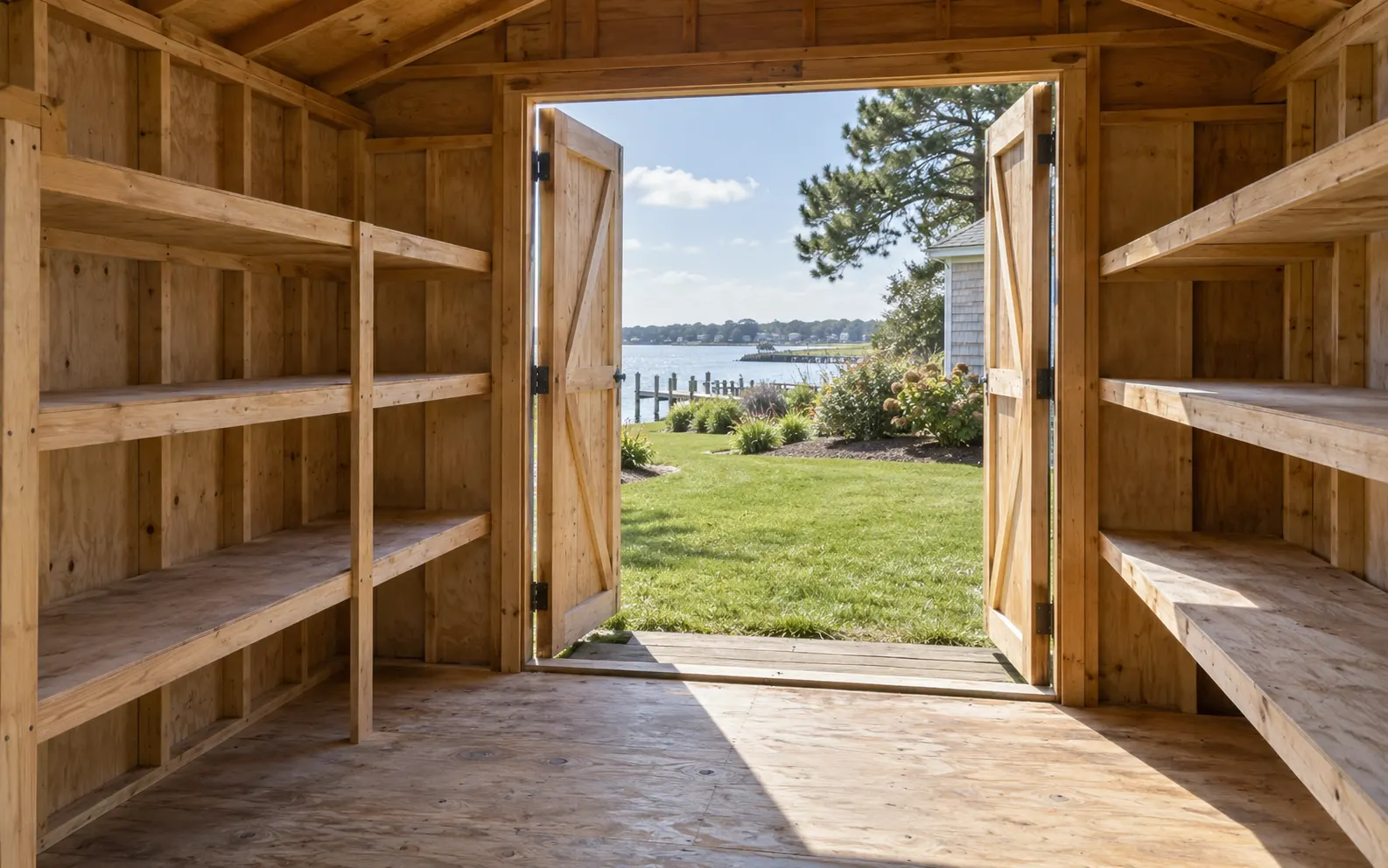
How to Prepare a Shed for Removal
A room-by-room checklist for emptying, access, utilities, and the estimate visit.
Start with a clear plan for the structure, the access route, the contents, and the debris. BinPoint focuses the conversation on the details that change the job.
Two sheds with the same dimensions can require different plans. A narrow gate, long carry, extra roofing, built-in shelving, soft ground, or a base that must remain can change the work. The useful questions come before demolition begins.
See how shed removal is scoped →The final work order should state what is included, what remains, and how site conditions will be handled.


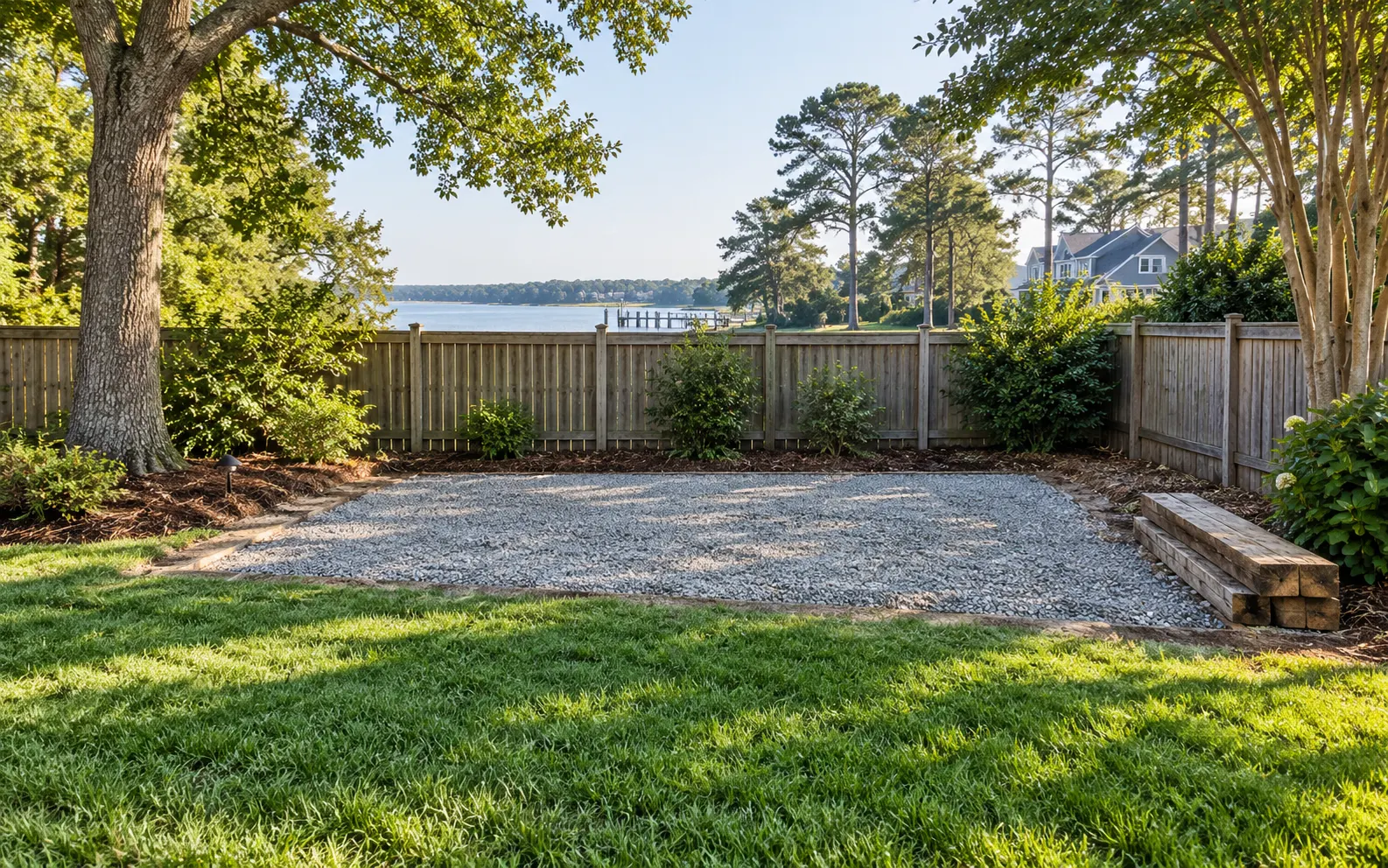 THE SPACE AFTER
Some properties have a concrete slab. Others have skids, blocks, pavers, a wood floor, or anchors. Decide whether the base stays, whether loose debris around it is included, and whether ground repair is a separate project.
Use the preparation checklistCoverage must be confirmed for the exact address before scheduling.
A room-by-room checklist for emptying, access, utilities, and the estimate visit.
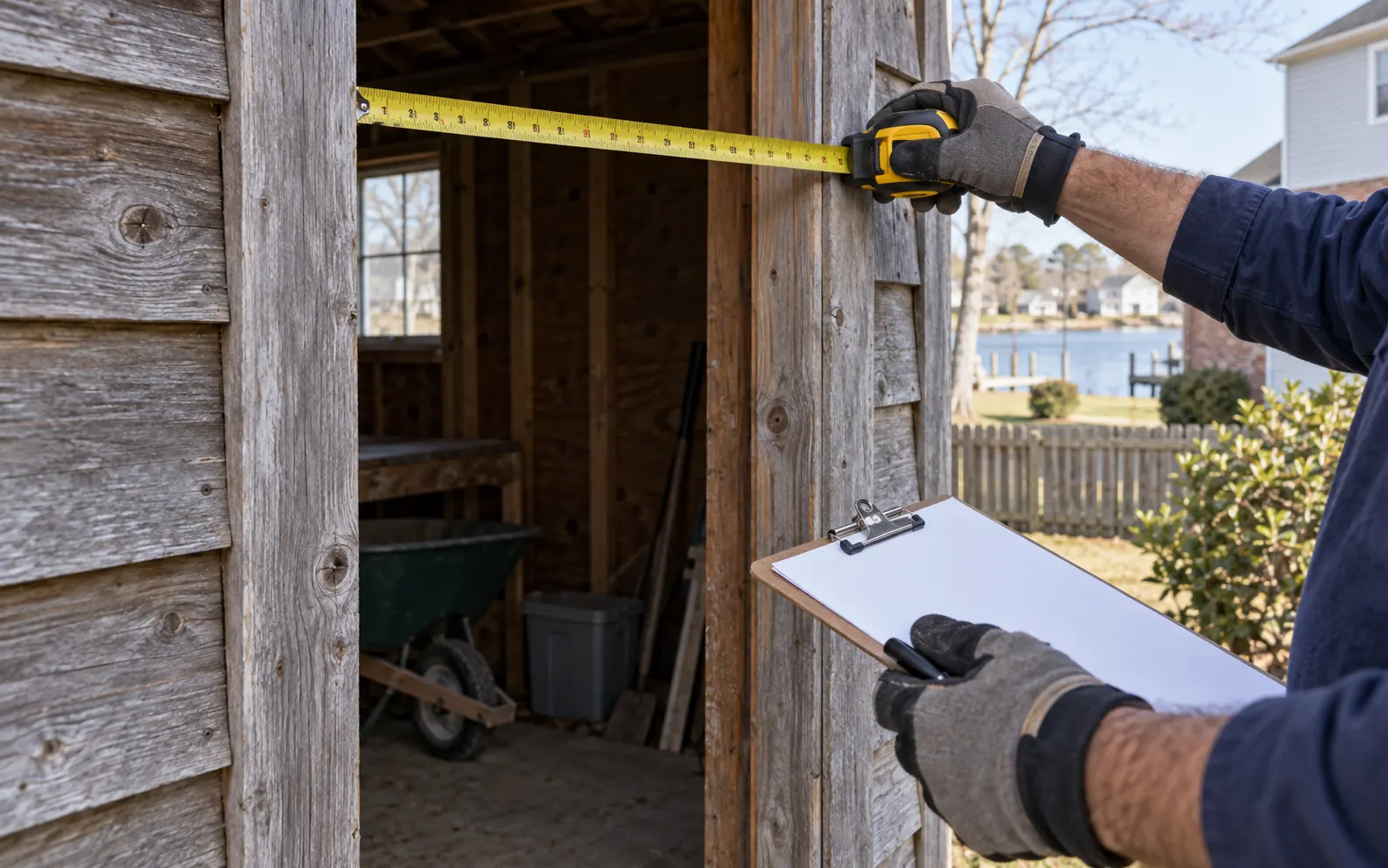
A plain-language guide to size, materials, access, contents, and disposal volume.
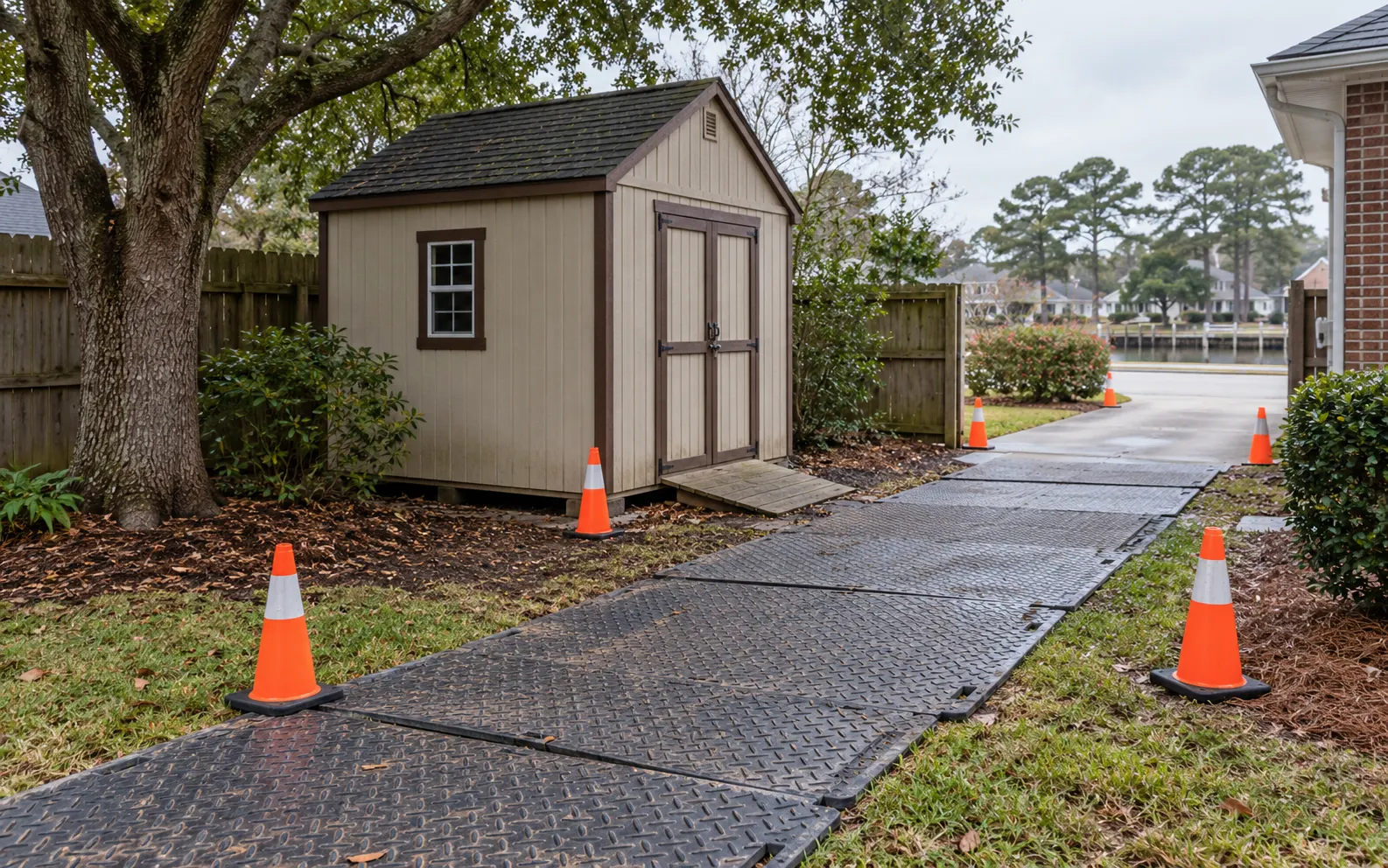
What to measure before the crew arrives, from gates and turns to slopes and landscaping.
A useful estimate begins with those three details. Call to talk through the job before you move anything.